
17.07.2026
What is Conveyancing?
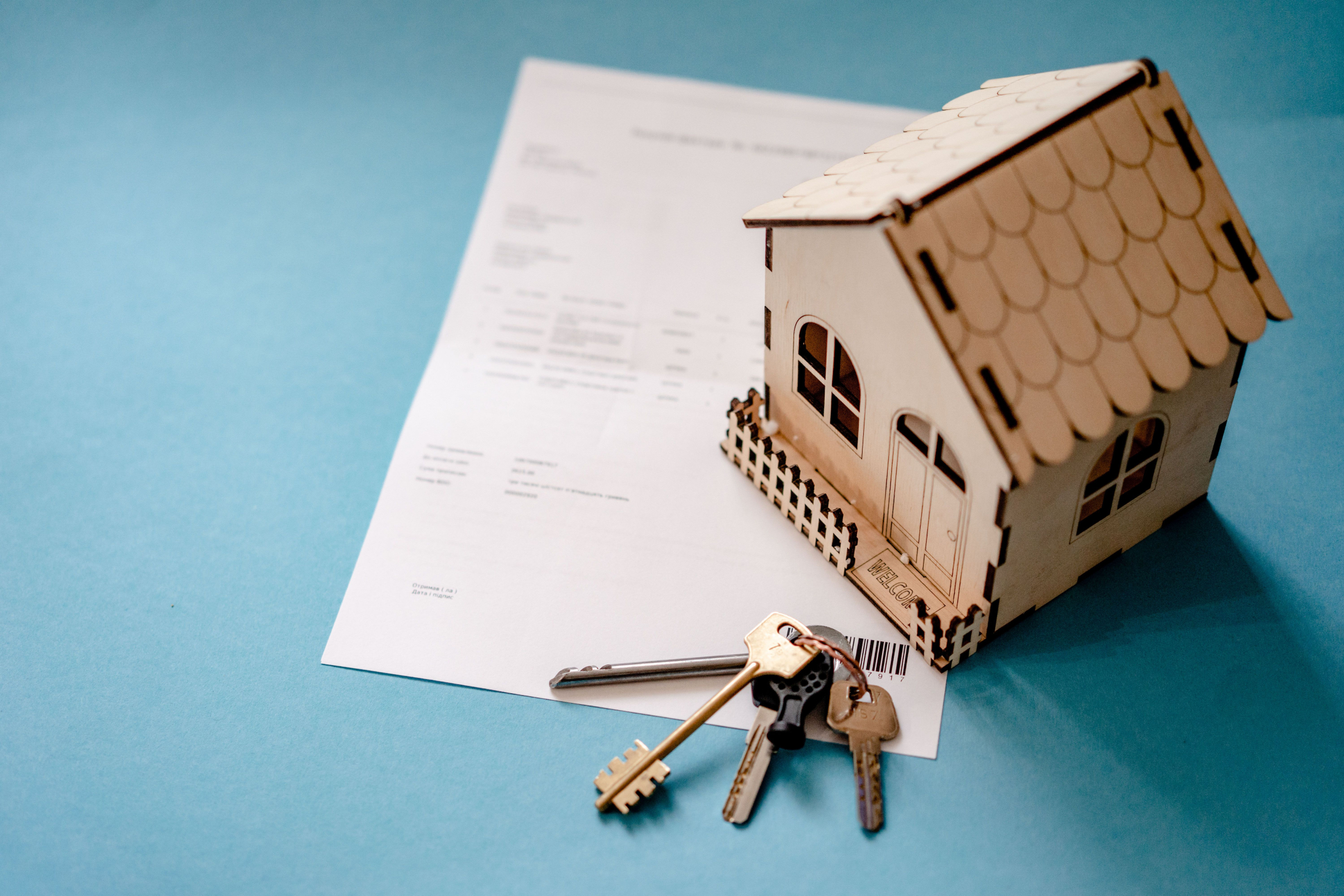
Conveyancing is the legal process of transferring ownership of a property from the seller to the buyer. This process begins once an offer has been accepted and ends when the transaction is complete and the keys are handed over.
A solicitor or licensed conveyancer manages this process for you, ensuring all legal requirements are met, contracts are in place and the property ownership can be transferred without any issues.
Conveyancing: Steps taken when buying a house
The conveyancing process can be broken down into a few key steps.
1. Find and instruct a conveyancing solicitor
Once your offer has been accepted, appoint a solicitor or licensed conveyancer to act on your behalf and lead and manage the process.
2. Complete ID checks
You will be asked to complete some ID checks, providing documents, such as your passport, driving license and proof of residence, for your conveyancer to check.
3. Property searches and checks
Your conveyancer will arrange searches to identify any issues that could affect the property. These include:
- Local authority searches, such as planning applications and building regulations
- Land Registry checks to prove the seller currently owns the property
- Environmental checks to find potential risks
- Water authority searches to confirm water source and drainage
4. Contracts and enquiries
Your conveyancer will review legal details such as boundaries and shared access. They will produce this information in a report, giving you the chance to ask any questions or flag any concerns.
5. Exchange of contracts
Once both parties are happy, the conveyancer will provide contracts, which need to be signed by both parties. At this point, the transaction becomes legally binding.
6. Completion
On completion day, legal titles are passed over to the buyer. The seller will also receive the funds and vacate the property.
7. Post-completion
After completion day, your conveyancer will register the property in your name at the Land Registry, which can take between two and six months to complete.
How long does conveyancing take?
The timeline for conveyancing can vary depending on how simple the transaction is and how long the searches take, but on average, the conveyancing process takes between 8 and 12 weeks.
What can delay the conveyancing process?
While many transactions progress within this average timeframe, there are some common factors that can cause delays. These include:
- Property chains involving multiple buyers and sellers
- Delays in mortgage approval
- Issues raised during surveys or searches
- Missing or incomplete documentation
- Slow responses between parties
For simpler transactions, such as buying a new build home, the process may progress faster.
How much does conveyancing cost?
When buying a house, it’s important to budget for conveyancing fees, which are typically made up of two elements.
Legal Fees
These are the conveyancing fees charged by your solicitor. Typically, they range from £800-£2000+, depending on the property and complexity of the transaction.
Disbursements
These are additional costs paid to third parties, for:
- Local authority searches
- Land Registry fees
- Bank transfer fees
Can I do my own conveyancing?
While it is possible to complete your own conveyancing, it’s generally not recommended unless you have a strong understanding of property law.
The process requires a range of legal checks, contracts and financial transactions, which all need to be handled carefully and correctly.
Mortgage lenders will also usually require a qualified solicitor or licensed conveyancer to act on their behalf, meaning that, in most cases, professional support is essential.
Buy a home in Marylebone with confidence
For those living in London or looking to make the move, choosing the right property and location is just as important as navigating the legal steps. Known for its village-like atmosphere, central location and elegant streets, Marylebone remains one of the capital’s more desirable areas to call home.
At our 100 George Street development, buyers are supported throughout the purchasing and conveyancing process. From reservation through to completion, we’re here to give you confidence as you take the next steps towards buying your new home.